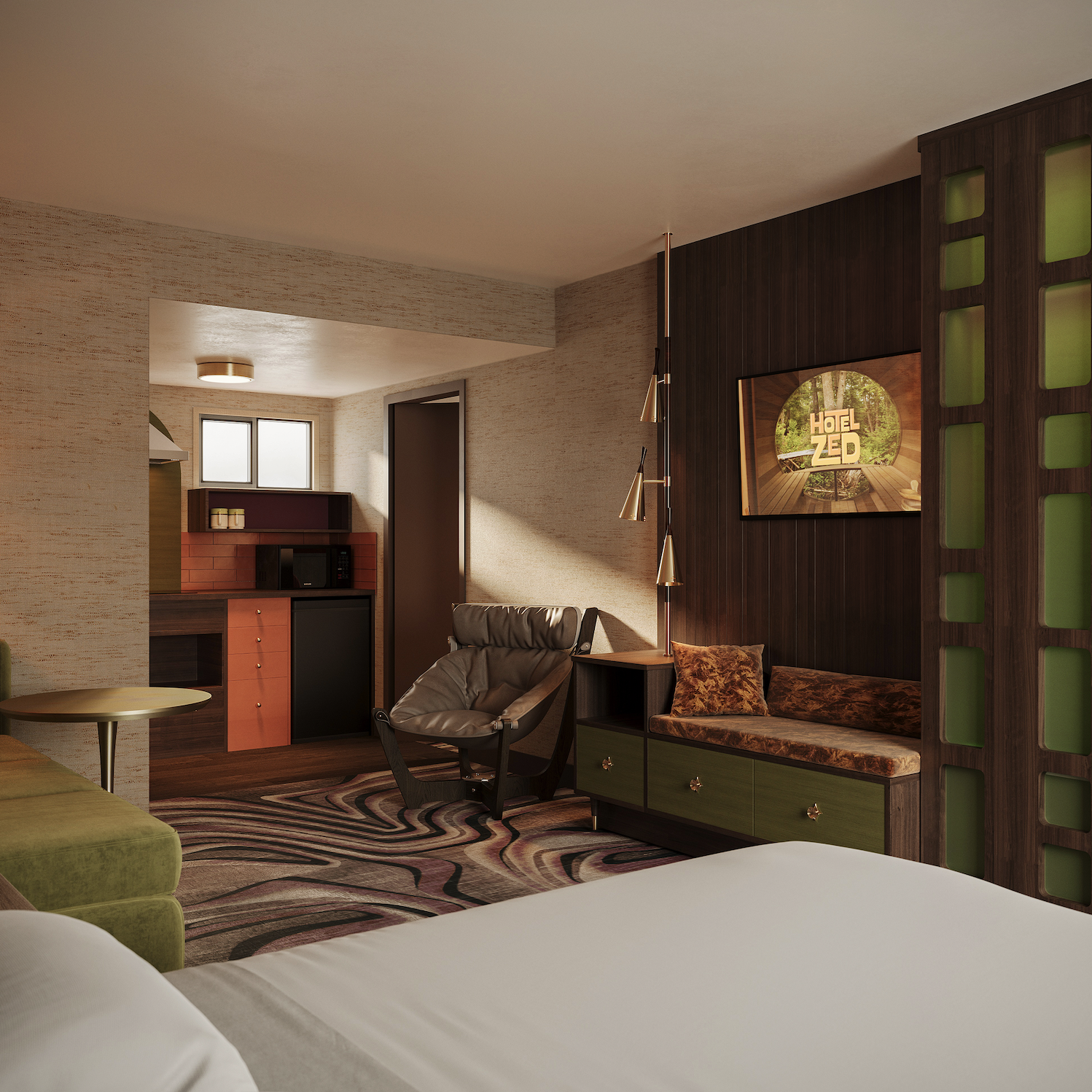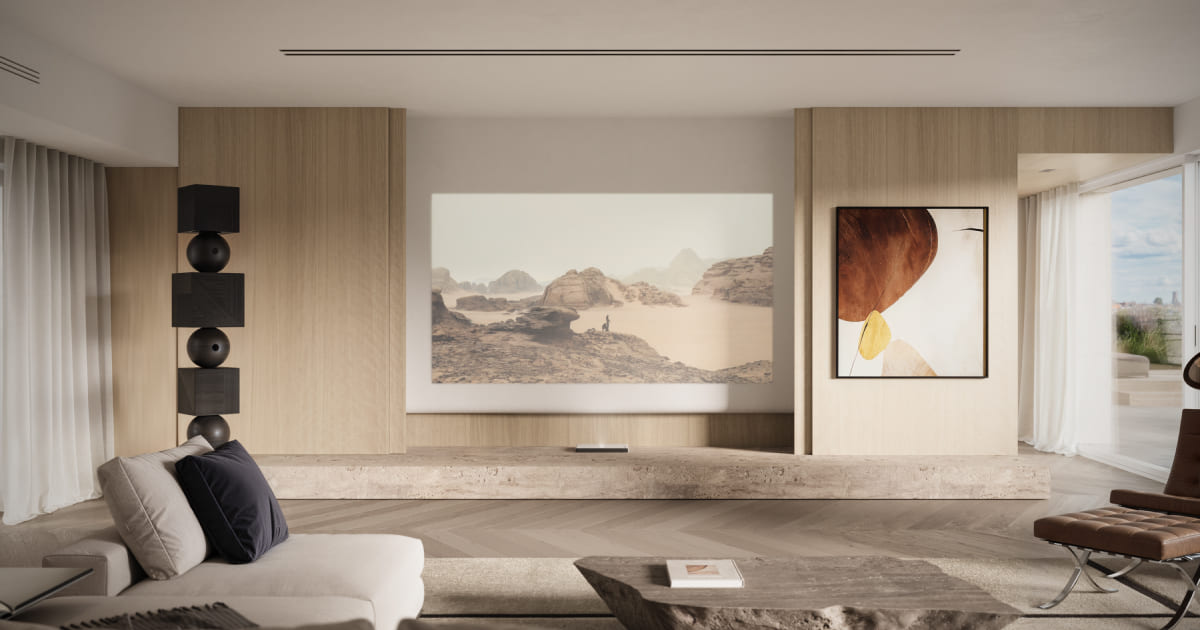

3D rendering vs photography is one of the most common questions we hear from developers in their first call with us. The honest answer: it isn't a choice between two options. It's a sequencing question.
Photography captures what already exists. Rendering creates what doesn't yet, or what's still being decided. For a developer running a presale launch, an investor pitch, or a city submission, the right tool depends entirely on where the project sits on the timeline.
We've delivered visuals across all of these stages, for boutique hotels mid-renovation, multifamily presale launches, and mixed-use approvals. The same pattern shows up. The strongest campaigns don't pick one. They sequence both.
Here's how to think it through, stage by stage.
.jpg)
Key Takeaways
- Photography requires a finished space. Rendering does not.
- Rendering is the primary visual asset from permitting through presale launch, typically 9–18 months before completion.
- Photography becomes primary after construction, validating the design promise made during presale.
- The strongest developer marketing sequences both. Rendering builds anticipation. Photography confirms reality.
- Treating renders as placeholder marketing is the most common, and most expensive, mistake.
When Photography Works
1. When the Space Is Built and Ready
Photography works best when the space is complete, furnished, and ready for viewing.
A professional photographer captures what already exists: the way light moves through a finished lobby, the texture of materials, and the real atmosphere of the space.
2. Credibility and Buyer Trust
Photography adds credibility to completed projects.
Buyers and tenants trust real images. In fact, 52% of home searches begin online (National Association of Realtors), meaning visuals influence decisions long before a visit.
Brokers rely on photos for listings. Editorial publications require them for features. Post-occupancy marketing depends on photography to keep materials grounded in reality.
3. Emotional Authenticity
Photography carries a level of authenticity that even photorealistic rendering struggles to replicate.
When someone sees a real photo of a finished penthouse with natural light streaming in, they’re not imagining the space—they’re seeing it as it truly is.
The Limitations of Photography
- You can’t photograph what doesn’t exist
- Unfinished spaces weaken marketing and expose flaws
- Marketing timelines rarely wait for project completion
In real estate development, campaigns often begin long before construction ends. Waiting for completion can delay sales and increase carrying costs.
When Rendering Fills the Gap
1. Marketing Starts Before Construction
Most projects require marketing materials months before construction is complete.
- Presale campaigns launch early
- Investor decks are prepared before foundations are poured
- City submissions require clear visual communication
2. Customers Want to See Before Paying
3D rendering allows developers to present photorealistic visuals before construction begins.
The market continues to grow as real estate developers rely on virtual walkthroughs and imagery to showcase projects early (Grand View Research).
3. Built from Drawings
Rendering is created from architectural drawings.
The building doesn’t need to exist. Plans, elevations, and specifications provide everything needed to create accurate visuals. This allows marketing to move independently of construction timelines.
4. Critical for Presale Windows
For presale condominiums and multifamily developments, rendering is often the only visual asset available.
It powers:
- Brochures
- Websites
- Sales centre displays
- Digital campaigns
Buyers make financial decisions based on these visuals. Their quality directly affects conversion.
%20(1).jpg)
What This Looks Like in Practice
Eight Station worked with Mera Studio Architects on the Kenrick Hotel renovation, creating photorealistic images and a short animation to help pre-sell rooms and build excitement before construction was complete.
The Situation
The hotel needed to open reservations while still under renovation.
The spaces existed but were not ready for photography - unfinished, dusty, and visually inconsistent.
The Solution
We created photorealistic interior renders from architectural drawings.
The team delivered 64 images and a 1.5-minute animation showcasing all room types and public areas. The visuals reflected accurate materials, lighting, and atmosphere.
The Outcome
The hotel launched marketing early, created a unified visual story, and built anticipation six months before completion.
The renders drove early revenue.
After completion, real photography was added to complement the visuals. Both are still used today.
The Pattern
This is a common approach in development:
- Rendering drives pre-construction marketing
- Photography validates the final result
The strongest campaigns don’t choose one - they sequence both.
%20(1).jpg)
How Rendering and Photography Compare
Note: There is no universally superior option. The right choice depends on your project stage and goals.
The Developer’s Timeline: When to Use Each
1. Permitting and Approvals
Use: 3D Rendering
Rendering is essential at this stage.
City officials need a complete visual representation of materials, massing, and street-level impact. Accuracy is critical - this is documentation, not decoration.
2. Investor Presentations
Use: 3D Rendering
Investors need clarity before committing funds.
Lighting, materials, and composition influence perceived risk. These visuals communicate confidence and viability.
3. Presale Launch
Use: 3D Rendering (Primary Asset)
Presale marketing typically starts 9–18 months before completion (Transforming Cities).
Rendering supports:
- Brochures
- Websites
- Sales centres
- Digital campaigns
Buyers rely on these visuals to make decisions. Quality and accuracy directly affect sales speed.
4. Construction Phase
Use: Rendering + Select Photography
Rendering continues to support marketing.
At the same time, developers may introduce:
- Drone photography
- Progress updates
However, primary marketing visuals usually remain rendered until completion.
5. Post-Completion
Use: Professional Photography
Once finished, photography becomes the primary tool.
It supports listings, editorial features, and long-term marketing. It validates the promise made during presale.
Some developers continue using renders for consistency across their portfolio.
Golden rule: Photography validates. Rendering builds anticipation.
Where Developers Get This Wrong
1. Starting Too Late
Teams often delay visual production, assuming it can be handled later.
This leads to rushed timelines, higher costs, and limited revision opportunities. The final result rarely reflects the full quality of the project.
3D rendering should be planned early - it’s a strategic investment.
2. Treating Rendering as Temporary
Renders are not placeholders.
They are primary marketing assets for 12-24 months, used across billboards, investor materials, and digital campaigns.
Their quality directly shapes perception - and perception drives sales.
3. Overestimating AI
AI is the third option developers are asking about, and it's the one that gets the most confused answer.
Generative AI tools can produce a quick image from a written prompt. They can't read an architectural drawing. They can't hold the floor plan, the unit mix, the material spec, and the city's setback rules in the same frame. For a developer who needs visuals that match what's actually being built, that gap matters.
We use AI inside our process. It speeds up early ideation, helps with mood references, and supports specific stages of post-production. It doesn't reduce the time we spend on a project, and it doesn't lower the cost. The work that determines whether a render sells units, geometry, lighting, materials, atmosphere, is still done by a person who understands architecture.
The short version: AI is useful for inspiration. It isn't a substitute for craft. For presale, investor, and permit-grade visuals, the imagery has to be accurate to your drawings. AI doesn't get you there.
Professional rendering remains the standard. Architectural visualization accounted for 41.9% of global 3D rendering revenue in 2025 (Mordor Intelligence).
How Eight Station Approaches This
We are an architectural visualization studio based in Vancouver, working with developers and design teams across North America.
Our team has architectural training. We understand design intent - not just software.
We create photorealistic visuals for:
- Presale marketing
- Investor presentations
- City approvals
Every image is built from your drawings, with accurate materials, intentional lighting, and a clear sense of atmosphere.
If your project needs visuals before construction is complete, we are ready to discuss it.
.jpg)
Frequently Asked Questions
1. Is 3D rendering better than photography for real estate marketing?
No. Rendering works before construction is complete, while photography is best for finished spaces. Each serves a different purpose.
2. When should developers use 3D rendering?
Use rendering for:
- Permitting
- Investor presentations
- Presale campaigns
It allows you to market and secure approvals before completion.
3. Do buyers trust rendered images?
Yes - when they are based on accurate architectural drawings. High-quality renders clearly communicate design intent.
4. Is photography cheaper than rendering?
Photography typically has a lower cost per image. Rendering requires higher upfront investment but eliminates staging and scheduling constraints.
5. Can both be used together?
Yes - and they should be.
Rendering supports early marketing, while photography completes the story after construction.
Have drawings? Let's talk. Get in touch for a quote on photorealistic imagery for your presale, investor presentation, or permit submission.