You have approval. The architect’s drawings are signed. The presale launch is on the calendar. And the only thing standing between the project and the first deposit is what buyers see first — the photograph that does not yet exist of the building that does not yet stand.
This is a guide for developers shaping $50M+ multifamily, mixed-use, or hospitality projects in North America. If you are approaching a presale launch, preparing for an investor presentation, or have just been told to start thinking about marketing, this is what we wish every developer knew before reaching out to a visualization studio.
Eight Station has rendered for more than 100 projects across North America since 2021 — multifamily presales, branded residences, hospitality properties for Marriott and independent hotels, mixed-use developments in Vancouver, Toronto, New York, and beyond. What follows is the field-tested view from inside that work.
What presale marketing visualization actually is
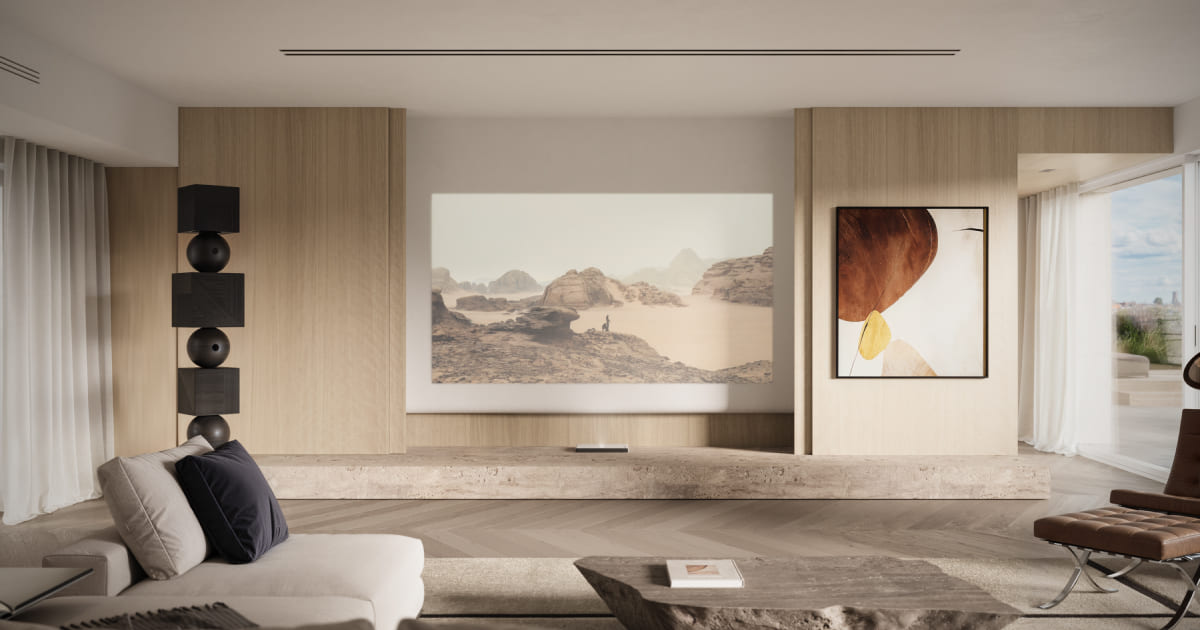
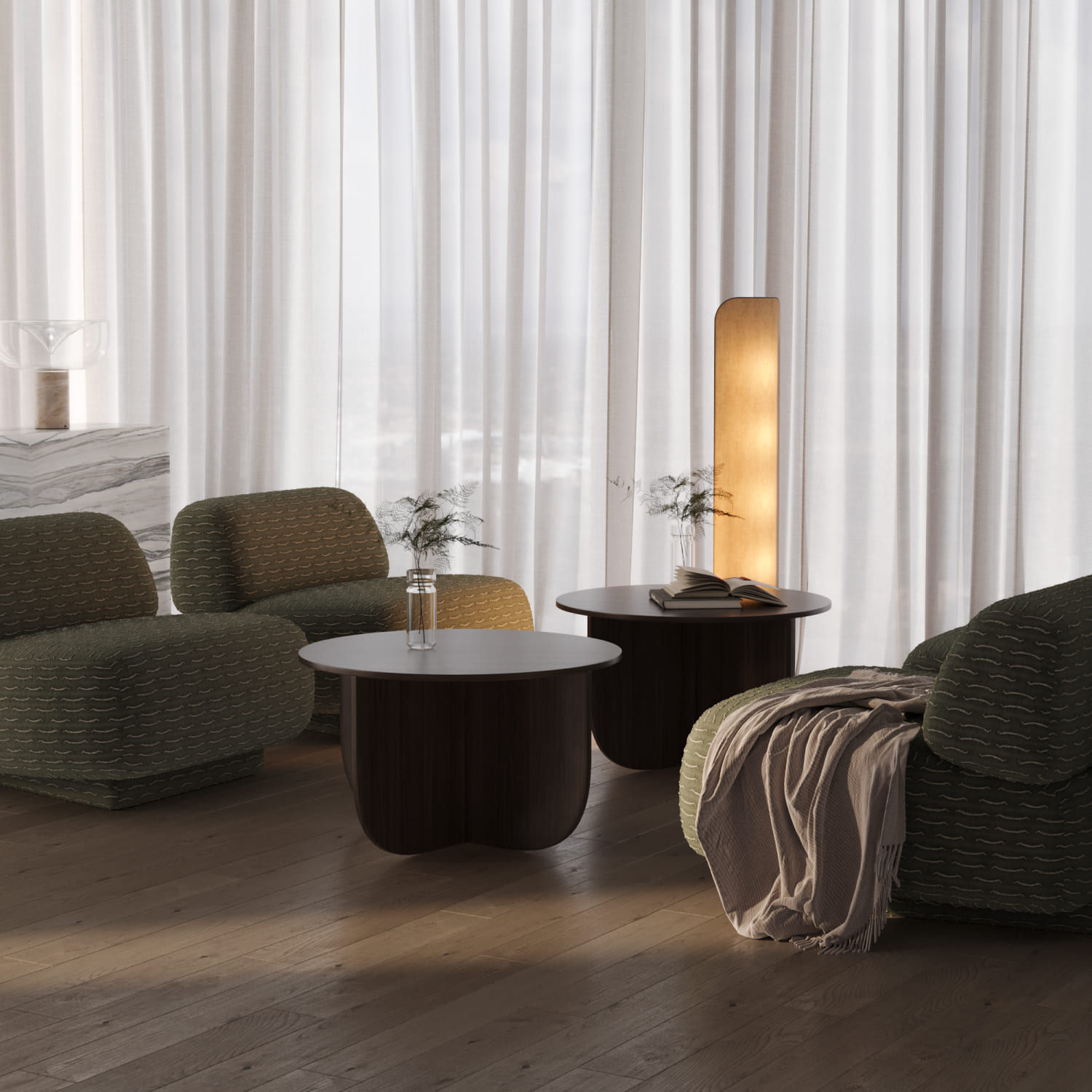
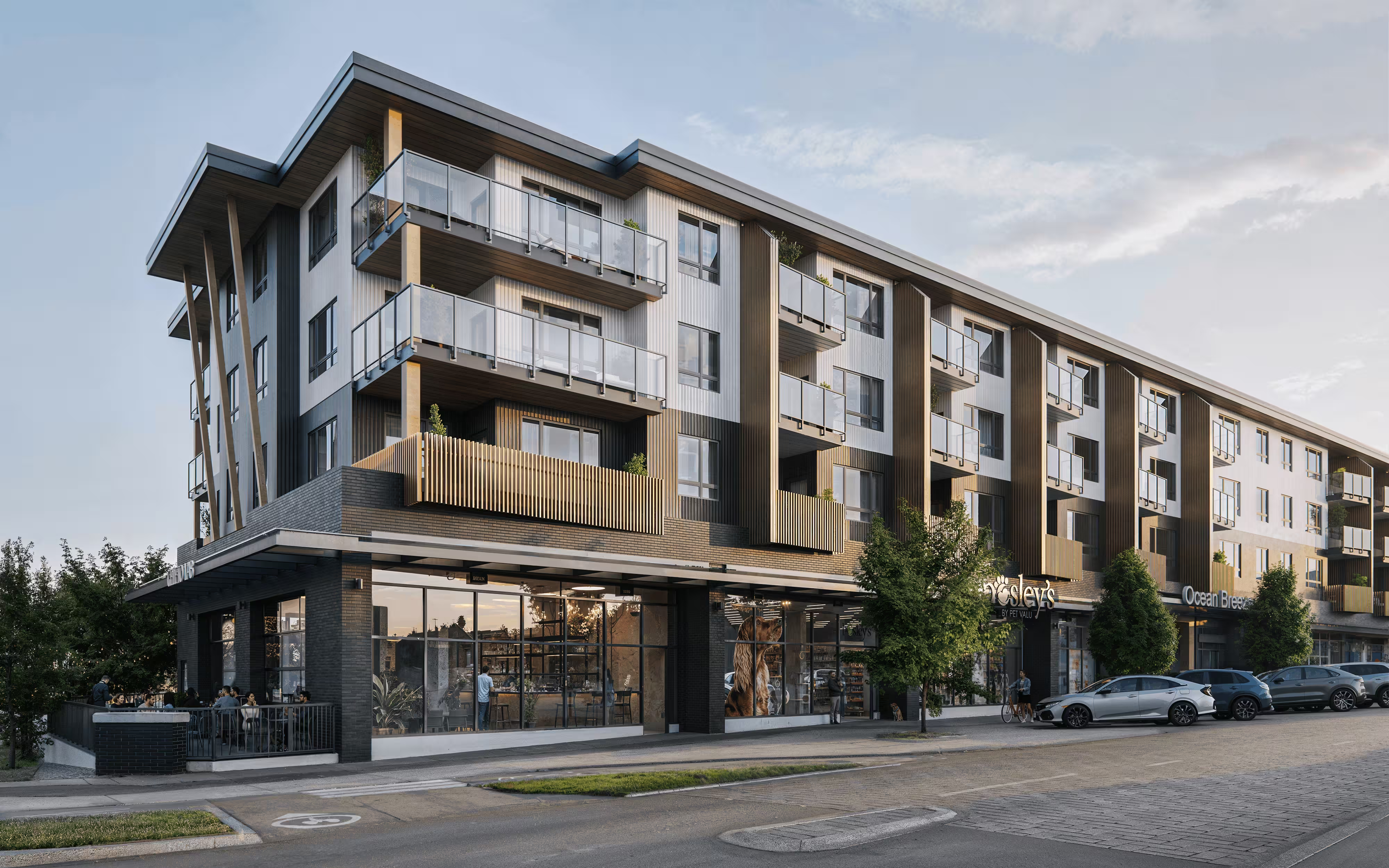
Presale marketing visualization is the photorealistic rendering of a building, suite, or amenity space — composed from the architect’s drawings — that allows a project to be seen, marketed, and sold before construction is complete. At the $50M+ project scale, it is the central marketing infrastructure that supports buyer presales, investor presentations, city permitting submissions, and brand operator review.
It is not the architect’s working drawings, which describe what will be built but cannot show how it will feel. It is not photography, which only exists once construction is complete. And it is distinct from AI-generated imagery, which can produce surface plausibility but cannot maintain dimensional accuracy from a real plan, sustain consistency across a multi-image package, or hold up under brand or permitting review.
A useful distinction: drawings answer what is being built, photography answers what was built, and presale visualization answers what it will be like to be there. The third question is what sells units, secures investor commitments, and clears stakeholder review.
Demand for architectural visualization at this scale is driven by the same conditions that make the project worth building — investors who want to see what they are funding, buyers who want to see what they are committing to, and city reviewers who want to see what is being proposed. The visualization is the medium through which all of those audiences read the project.
When to start visualization on a presale project
Start visualization in parallel with design development — typically six to twelve months before the presale launch, not six to twelve weeks. Visualization sits on the critical path, not adjacent to it. Buyers, investors, and city reviewers all need to see the project before launch, and each audience needs different views.
The three triggers we see most often:
City approval just landed. The architect has signed drawings, the development permit application is in or imminent, and the marketing team has six to nine months until presale opens. This is the right moment to begin. The drawings are stable enough for accurate modelling, and there is enough lead time to build a complete visual package without rushing.
Investor presentation is on the calendar. A capital raise, a senior debt conversation, or a committee review is in three to six weeks. The window is narrow, but a focused two-to-three-image package — exterior hero, suite interior, amenity — can be produced inside that window for a project at this scale.
Construction is breaking ground. This is the latest acceptable starting point and often the most expensive. By this stage, the marketing window has compressed, the team is reactive rather than proactive, and revisions cost more because the schedule allows less room.
In our experience, the projects that hit their presale targets started visualization the moment the architect’s design development drawings were complete. The projects that struggled started later — almost universally because someone treated visualization as a downstream marketing task rather than an upstream marketing decision.
For a 200-unit multifamily presale, the visualization package typically requires eight to fourteen weeks from kickoff to delivery, including two rounds of revisions. For a complex hospitality project with brand operator review, the working window is closer to six months.
What you actually need in a presale visual package
The visual package depends on what each audience needs to see, and the audiences are rarely the same. A developer at this scale is selling to four distinct groups simultaneously: city reviewers (for permits), investors (for capital), brand operators (for hospitality and branded residence projects), and buyers (for presales). Each group needs different views, different framing, and often different files.
The minimum complete package for a $50M+ multifamily presale typically includes:
For investor decks, the package is tighter and more declarative — three to five images chosen to communicate scale, quality, and intended occupant. For permit submissions, the requirement is usually one to three contextual exteriors that demonstrate massing, materials, and street presence in the surrounding neighbourhood.
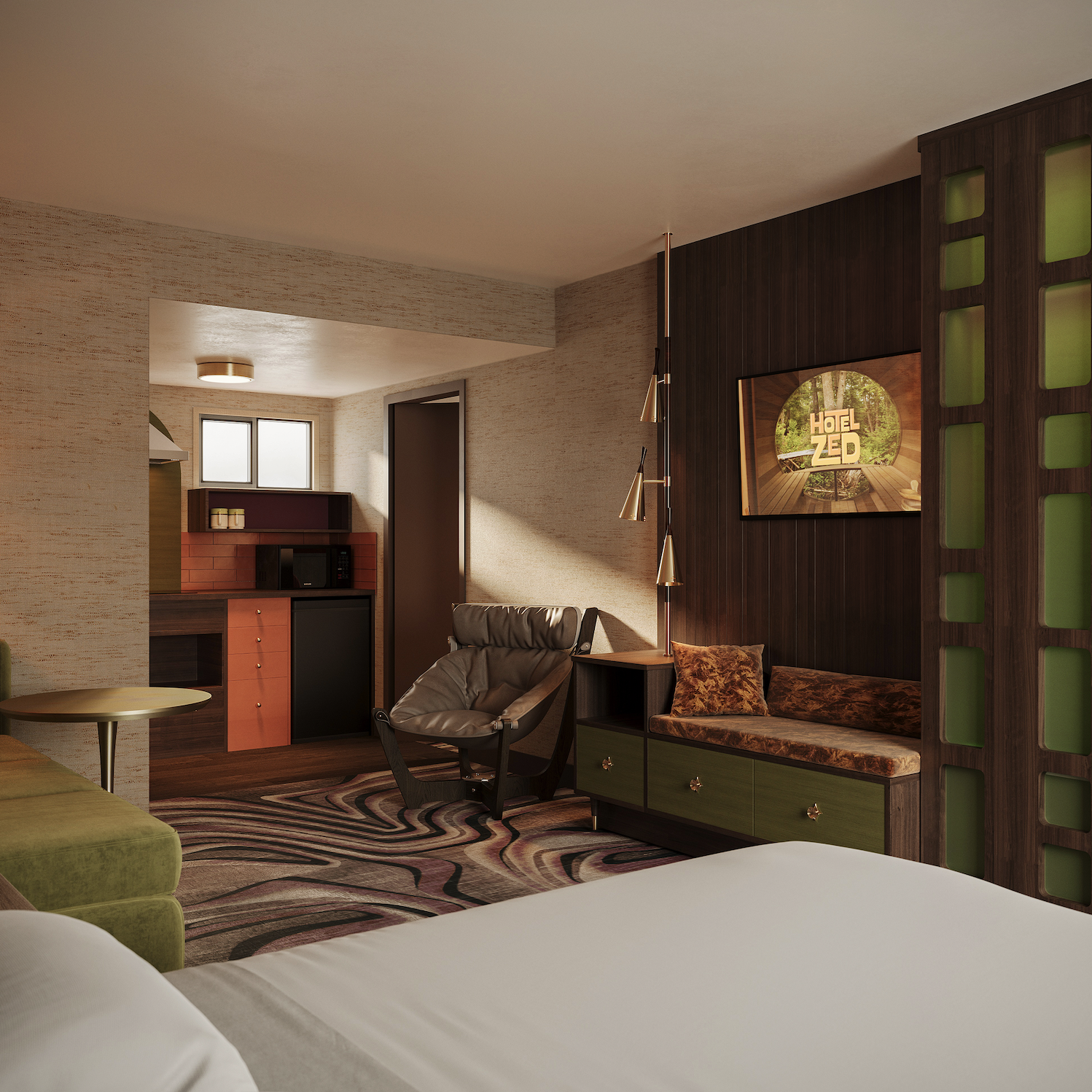
For hospitality projects, the package expands again. Branded residence and operator-managed properties typically require explicit views of every public space (lobby, restaurant, bar, spa, fitness, rooftop) plus three to five suite types. Marriott’s design standards alone require specific lighting, materials, and fixture rendering at a level of accuracy that retail-grade visualization cannot meet.
A typical multifamily presale package at this scale contains twelve to eighteen images plus optional animation. A branded hospitality project of similar value often runs twenty-five to forty images plus a hero animation, due to operator review requirements.
Who decides what good looks like
The most expensive failure mode on a $50M+ project is not a single bad render. It is stakeholder misalignment — when the architect, the developer, the marketing team, and the brand operator each have a different mental image of what the project should communicate, and the visualization studio is asked to satisfy all four without ever bringing them into the same room.
This is why the first formal step of any project we accept is the design session call. Every decision-maker is present. Reference images are reviewed together. The mood is agreed before any modelling begins. It is not a procedural meeting — it is the most important conversation of the project.
When the design session call is skipped, or when only one stakeholder attends, the inevitable result is multiple revision rounds chasing approvals that should have been resolved in the first hour. We have inherited projects mid-stream where the previous studio had completed five or six revision rounds without ever bringing the architect and the marketing director into the same conversation. The visualization was not the problem. The decision-making structure was.
A real example. A multifamily developer we now work with — Metafor — had paid a less expensive studio for renders that the marketing team felt missed the project entirely. The architect’s intent was a calm, materially honest building, and the renderings had drifted toward something brighter and busier. The marketing director was unhappy. The architect was unhappy. The previous studio could not reconcile the two because they had never been in the same room.
Eight Station was brought in to start over. We held the design session call as the first deliverable. The architect described the materials and light quality he had been after. The marketing director described what she was hearing from early prospects. We aligned the mood before opening any 3D software. The presale launched on schedule.
The lesson: at this project scale, the visualization studio is not a vendor producing a deliverable. It is the third party that holds alignment between the people who designed the building and the people who will sell it. That role is what you are buying.
The cost of getting it wrong
The most expensive renderings on a project are not the ones that cost the most. They are the ones that have to be redone.
We see three failure patterns repeatedly:
The cheap-quote rebuild. A developer hires a studio at a substantially lower rate. The renders return in a generic style that does not match the architecture. The marketing team rejects them. The studio offers revisions, but the underlying mood and lighting are baked into the model, and revisions chase the surface rather than fixing the foundation. The project ends up rebuilding the package with a different studio. The final cost is the original engagement plus the rebuild plus weeks of schedule slip.
The volume-shop revision spiral. A volume rendering shop accepts the project at a competitive rate, then enters round after round of revisions because the brief was never fully understood. Each round adds time and cost. The marketing team grows frustrated. The schedule compresses. By the time the presale launches, the team is exhausted and the renders are still slightly off. The compound cost — across additional revisions and the opportunity cost of a delayed launch — usually exceeds the savings of the cheaper engagement by a meaningful margin.
The misalignment cascade. The renders are technically fine but communicate the wrong project. Buyers come through the presale center expecting one thing and find another. Listings underperform. Conversion drops. The studio is not at fault; the brief was not aligned. But the project carries the cost.
The compound cost of any of these is consistently higher than the cost of selecting carefully the first time. At the $50M+ project scale, visualization is a small line item in the marketing budget and a substantial influence on how the presale runs.
What separates studios at this scale
At the $50M+ project scale, the studio market splits into three groups: volume shops, peer-trained design studios, and outsource operations. The differences are not subtle, and they show up most visibly in the work that does not get a portfolio post.
Volume shops compete on price and turnaround. They handle high project counts efficiently, often through outsourced production teams. The work is competent but rarely distinctive. For projects under $5–10M total value, this is sometimes the right fit. For a $50M+ presale, the work tends to feel generic at exactly the moment when the project most needs to feel singular.
Outsource operations are not always transparent about being outsourced. The studio brand presents as a small in-house team, but the production happens in a different time zone with a rotating cast of artists. Communication takes longer. Revisions go through a translation layer. The work can be excellent or inconsistent, project to project, and you do not always know which it will be.
Independent design-led studios — small in-house teams of architect-trained artists — produce a different category of work. The team is the same on every project. The architect-trained perspective is what allows the visualization to honour the design intent rather than overwrite it. The senior artists are on every file, not just the pitch project. Pricing is higher per image. Schedules are more predictable. Revisions are fewer because the brief is understood the first time.
Eight Station sits in the third group. We are an in-house team of architect-trained artists, founded by an architect, working from one studio with senior attention on every project. We do not outsource. We do not take every project. The studios we admire sit in or near this group as well.
For a developer at the $50M+ scale, the question is rarely which studio is cheapest. The question is which studio understands what we are trying to communicate, has the experience to execute it the first time, and will be in the same room when alignment is needed.
Frequently Asked Questions
Start six to twelve months before launch — alongside design development, not after. The drawings need to be stable, the brand or operator reviews need time, and the marketing team needs the assets in hand at least eight weeks before the first listing or investor presentation. For a $50M+ multifamily project, six months is typical; for branded hospitality with operator review cycles, nine to twelve.
Pricing varies based on package size, project complexity, and the audiences the work needs to clear. We share specific quotes after the discovery call, when we understand what the project requires. For broader context on what affects cost, see
For internal exploration, yes. For presale marketing, investor presentations, or permit submissions, no. AI-generated imagery cannot maintain dimensional accuracy from architectural plans, hold consistency across a multi-image package, or pass brand operator review. AI is a tool we use within our own pipeline; it is not a replacement for craft.
Two rounds, when the process is structured correctly. The first round addresses composition, mood, and major adjustments. The second handles refinement — material tweaks, lighting nuance, FF&E placement. Projects that require more than two rounds usually have a brief problem upstream, not a rendering problem.
Architectural drawings (plans, elevations, sections), design direction (mood board, FF&E specifications, reference images), and a clear sense of who the visuals are for (city, investors, buyers, operator). We work with whatever drawing software the architect uses — Revit, ArchiCAD, AutoCAD, SketchUp.
Look at three things. First, the work that is not in the portfolio — the projects nobody features. Second, who actually does the production: in-house team or outsource. Third, who you will be working with day-to-day: senior artists or junior production staff. At the $50M+ scale, the third question matters most.
Usage rights are granted on full payment, with terms agreed in the contract. The 3D models and source files remain with the studio, which means future renders for the same project — added views, animation, secondary marketing — can be produced more efficiently because the model already exists.
We work across project sizes. The framing in this guide is calibrated to the developers we work with most often, but the principles — start early, align stakeholders, choose carefully — scale down without losing relevance.
What to take from this
Presale marketing visualization is not a downstream marketing task. It is upstream marketing infrastructure. At the $50M+ project scale, it is one of the smallest line items in the budget and one of the largest predictors of presale velocity, investor response, and stakeholder approval.
The decisions that matter most are not about the renders. They are about timing, about who is in the room when the brief is set, and about which studio is going to hold alignment between the architect’s intent and the marketing team’s mandate.
If you are approaching a presale launch and want to talk through the visual package — what you need, when to start, what to expect from the process — schedule a 30-minute discovery call or request the case study book.
Author
Ana Romaniv is the founder of Eight Station, an in-house architectural visualization studio in Vancouver. Trained as an architect, she has led visualization for more than 100 projects across North America, including work published in Dwell, Archinect, Architizer, and Daily Hive.